

A Love That Remains
The GBCH&FM Meansville Campus
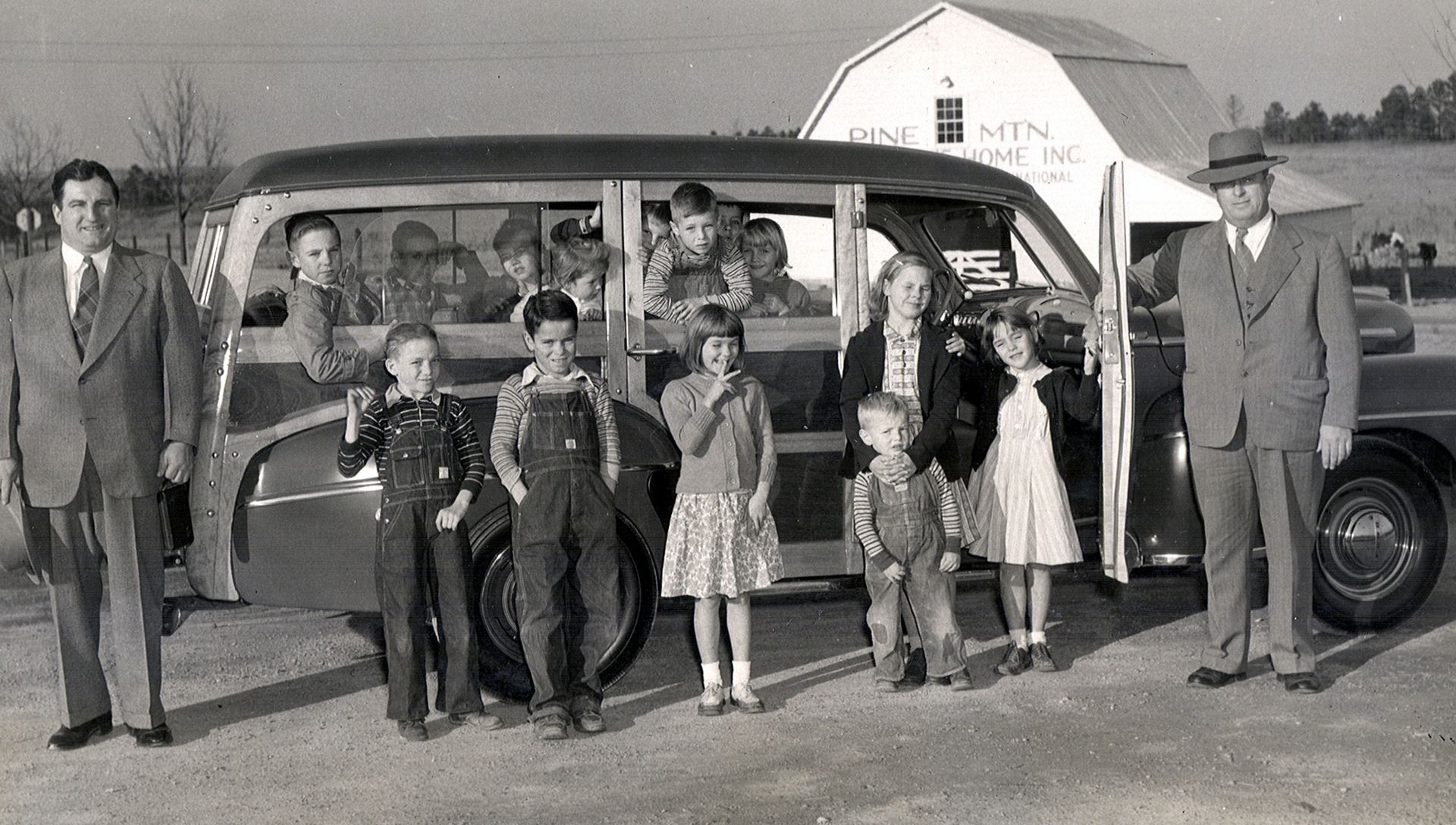
More than 70 years ago, Reverend Charles Pickney East and his wife, Eula Avis, were moved to care for children after losing their infant son. One cold Sunday morning, after Rev. East preached near Cedartown, a young mother placed her toddler in his arms and said, “If you want her, she’s yours.” That moment marked the beginning of their calling. They adopted the little girl, Delsie, and later opened a home for other children with nowhere to go.
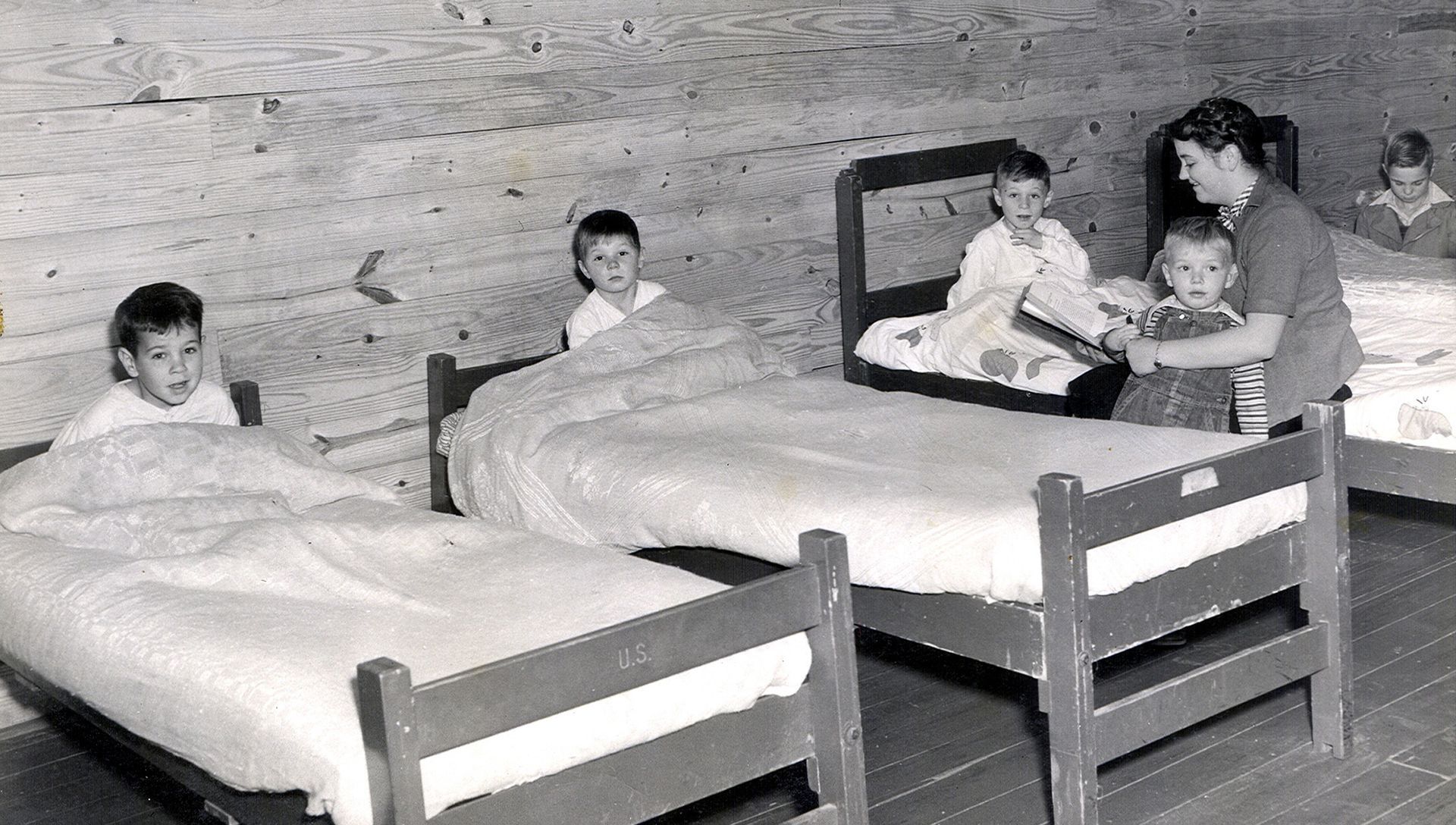
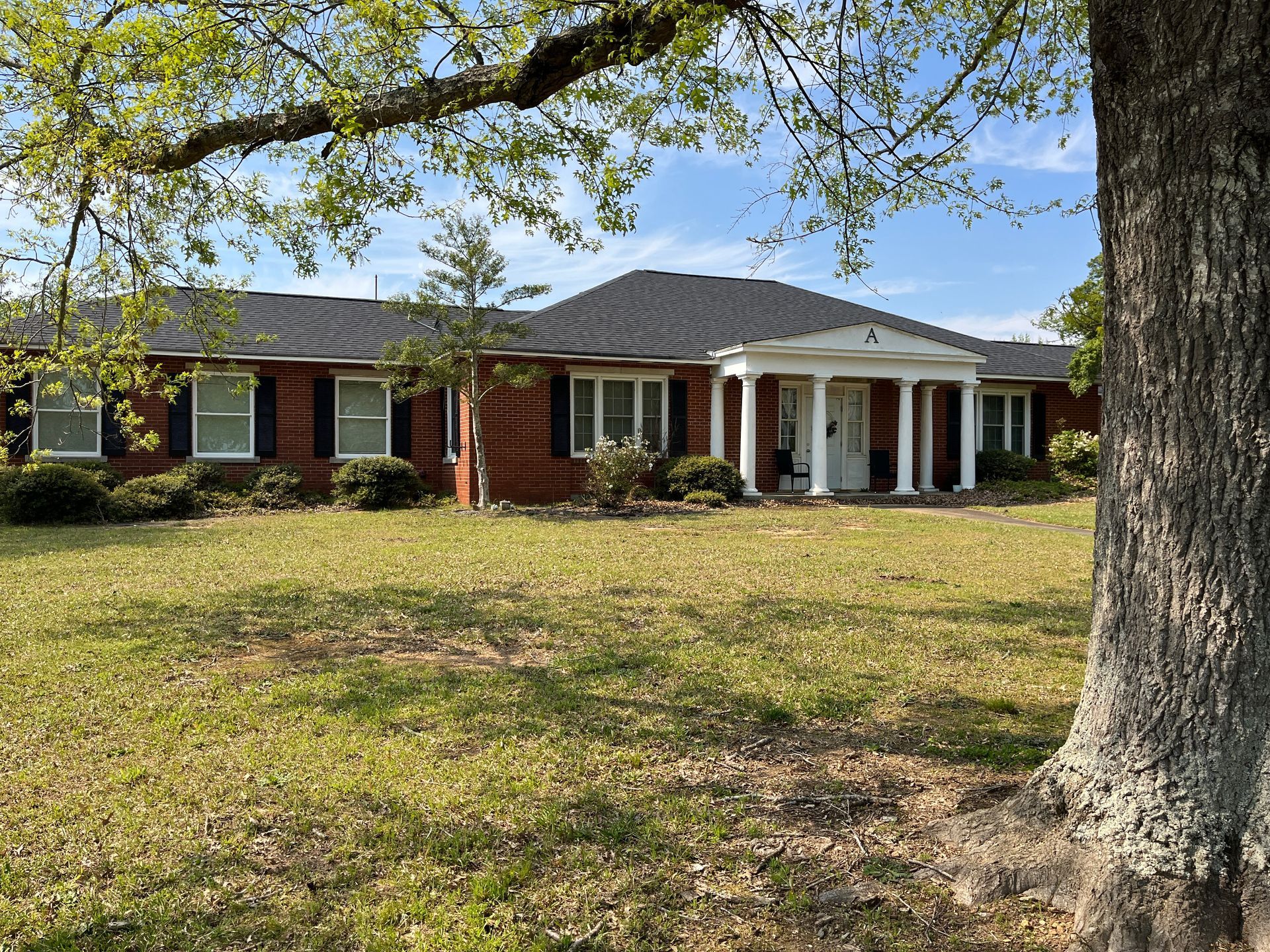
Tucked among the rolling hills of Pike County, the Meansville Campus of Georgia Baptist Children’s Homes & Family Ministries (GBCH&FM) began with one couple’s desire to help children in need. What started as one an act of love has grown into a place of refuge for many children and families.
In January 1946, the Easts purchased 133 acres in Pike County and welcomed their first four children to what was then the Pike County Children’s Home. By May, the renamed Pine Mountain Children’s Home housed 51 children and two adults, sharing just one bathroom. A working farm on the property helped sustain them through those early years.
In 1956, the home became part of GBCH&FM, securing its mission under broader support. Through the decades, the Meansville Campus has continued to evolve to meet the changing needs of Georgia’s at-risk youth and families. Today, it serves through three core programs: ASCEND, DJJ Step-Down, and Family Care.
The ASCEND Program supports young men ages 12–21 with a dual diagnosis of behavioral, mental health, or developmental challenges. An example of some of the youth served are youth diagnosed with Down Syndrome, Autism Spectrum Disorder, or have IQs under 70. Program Coordinator, Tammy Pinson, shared how the work is demanding but deeply rewarding. “Our residents start creating a family outside of the one they may not be able to be with and begin working towards their independence. That’s something special to experience,” she said.
ASCEND provides life skills, therapy, education, medical care, and spiritual guidance in a nurturing environment. Most youth are referred by the Department of Family and Children Services (DFCS), and many transition to foster or adoptive homes, adult care programs, or independent living. “We help them stabilize and thrive,” Tammy explained.
Volunteers play an important role by offering mentoring, tutoring, or simply spending time with residents to model healthy relationships. Others help by hosting birthday parties or holiday celebrations that show these young men they are seen and valued.
The DJJ Step-Down Program, led by Program Coordinator, Patricia Brooks, serves teen males ages 13-18 who are transitioning from the Department of Juvenile Justice (DJJ) correctional facilities back into their communities. With structured support, on-campus schooling, and daily life skills training, the program helps these young men move
toward a brighter future. “They’re very resilient,” Patricia said. “We don’t fixate on their past but focus on who they’re becoming.”
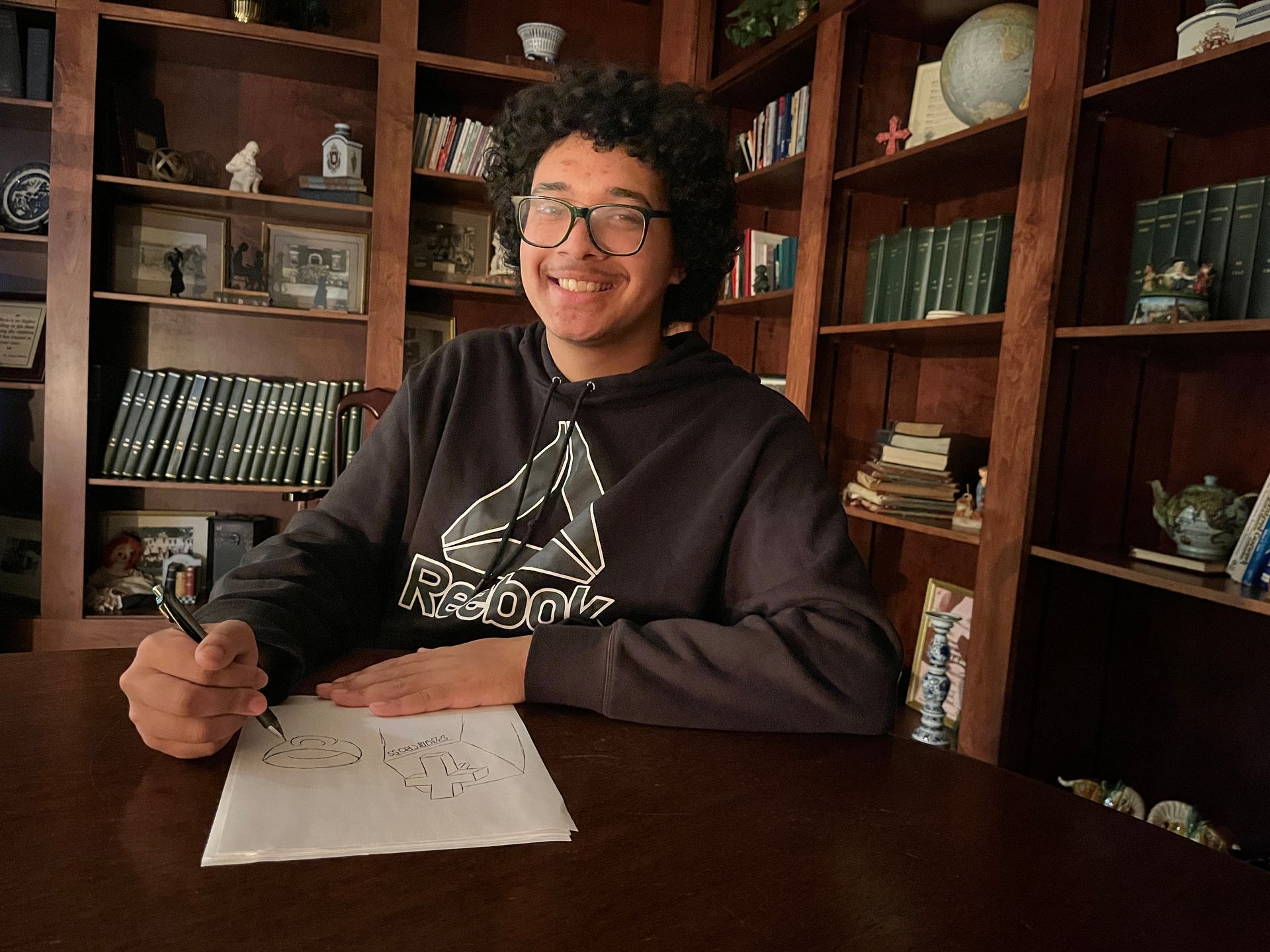
Patricia recounted the story of Dominic, who will become the first youth in the program to graduate with a high school diploma rather than a GED, this May. “That right there is God!” she said, tearfully. “To see these kids succeed, it means everything.”
Volunteers can support these DJJ youth by leading Bible studies, offering workshops on job readiness and life skills, or creating community service opportunities for the boys to give back. Just showing up to encourage these young men can make a lasting impact.
The Family Care Program, led by Coordinator Emily Meadows, serves mothers and children facing homelessness or escaping domestic violence. “It’s more than a shelter,” Emily said. “It’s about transformation. They must be willing to follow the rules and work toward independence.”
Each mom receives a personalized case plan with goals in education, employment, and savings. Families also participate in faith-based and family-building activities. Emily recalled a mother who saved nearly $2,000 and secured housing before graduating from the program. “She never thought she could do it,” Emily said. “We’re so proud of her and the other mothers who have worked hard to achieve their dreams.”
Community support is vital. Donations help furnish apartments and provide essentials since most families arrive with nothing. Volunteers provide Bible studies, childcare during classes, and host holiday events. “Volunteers are a vital part of our ministry,” Emily shared.
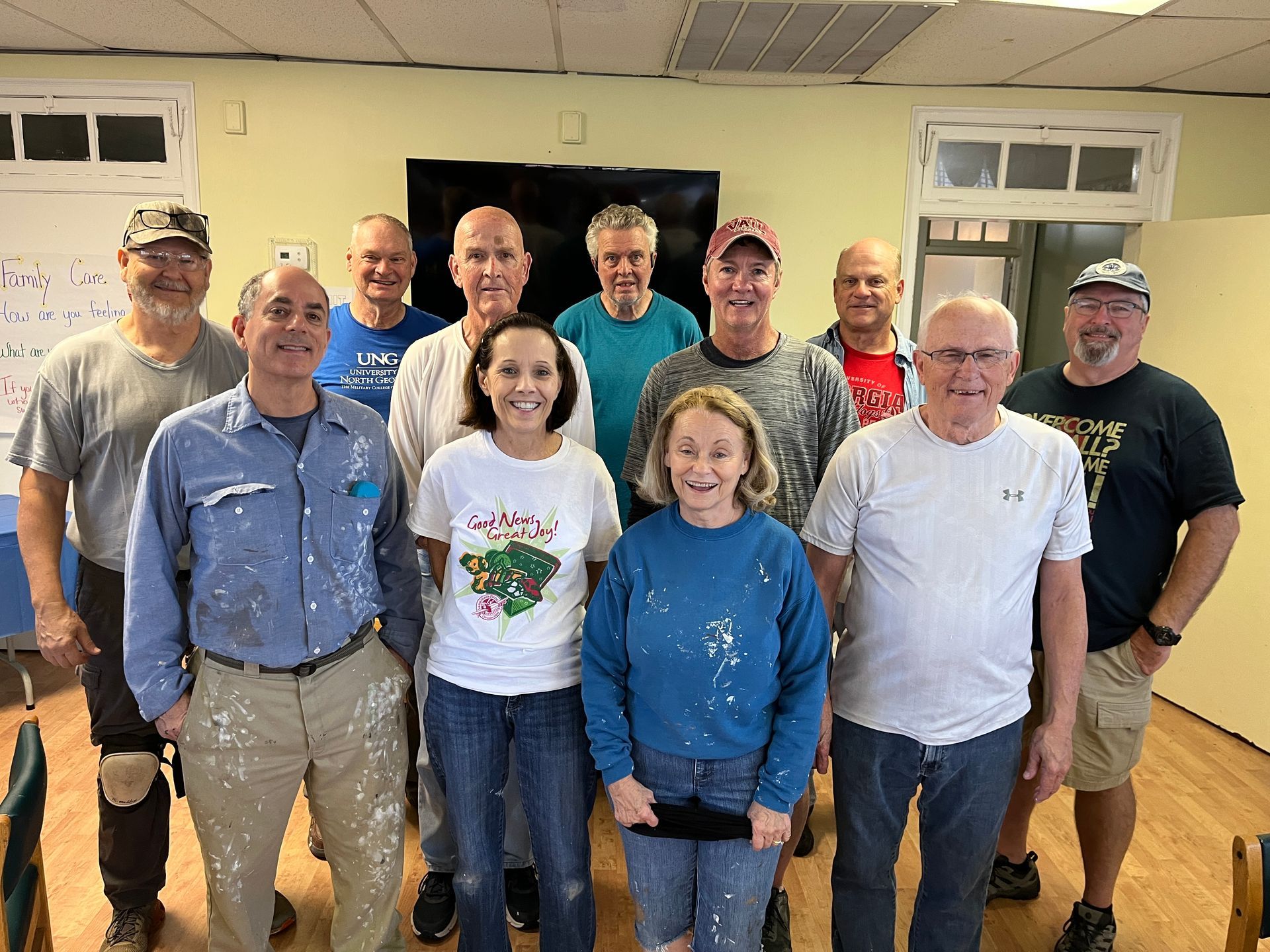
Behind the scenes, Support Services Coordinator, Bill George, keeps the campus running handling everything from trimming trees to fixing broken washers. “We fix what’s broken and maintain the campus grounds,” he said, “but it’s more than maintenance, it’s ministry.” He recalled mentoring a resident who accepted Christ and now thrives. “Every repaired pipe or painted wall makes this a home,” he said. “Volunteers are a huge blessing; we always welcome more!” Whether you enjoy landscaping, painting, light repairs, or providing meals, Bill says there’s a place for everyone to lend a hand.
At the helm is Campus Administrator, Sharon Wallace, a 25-year veteran of GBCH&FM. Her leadership is rooted in Proverbs 16:3: “Commit to the Lord whatever you do, and He will establish your plans.” With wisdom and compassion, Sharon leads a team committed to restoring lives.
What began as the Easts' act of love has become a legacy of restoration. The Meansville Campus remains a place where lives are rebuilt through love, faith, and community support.
Your partnership through prayer, donating, or volunteering ensures this mission continues. Whether you mentor a teen, lead a Bible study, or swing a hammer, you are part of offering a love that remains.
Because of your support, lives are forever changed.
Thank you for giving children and families hope and a home.